Whose chimney is it?
In a single-family sale the chimney belongs to the house and the house belongs to the seller. In a condo or townhouse sale in Los Angeles, the fireplace in the living room belongs to the unit, but the flue above it may run through a common wall, the stack it shares may be common property, and the roof it ends on is almost always the association's. A duplex sold as one parcel is simple. A duplex unit sold as a condo is not.
That split shapes what a chimney inspection can do in the sale, who pays for what it finds, and who hears about it.
Who usually owns which part
Each association's CC&Rs settle this, so read them rather than trusting a rule of thumb. The pattern we run into most:
- The firebox, damper, doors and any gas unit inside the home: the unit owner.
- The flue inside a shared wall: it varies; often common, sometimes exclusive-use.
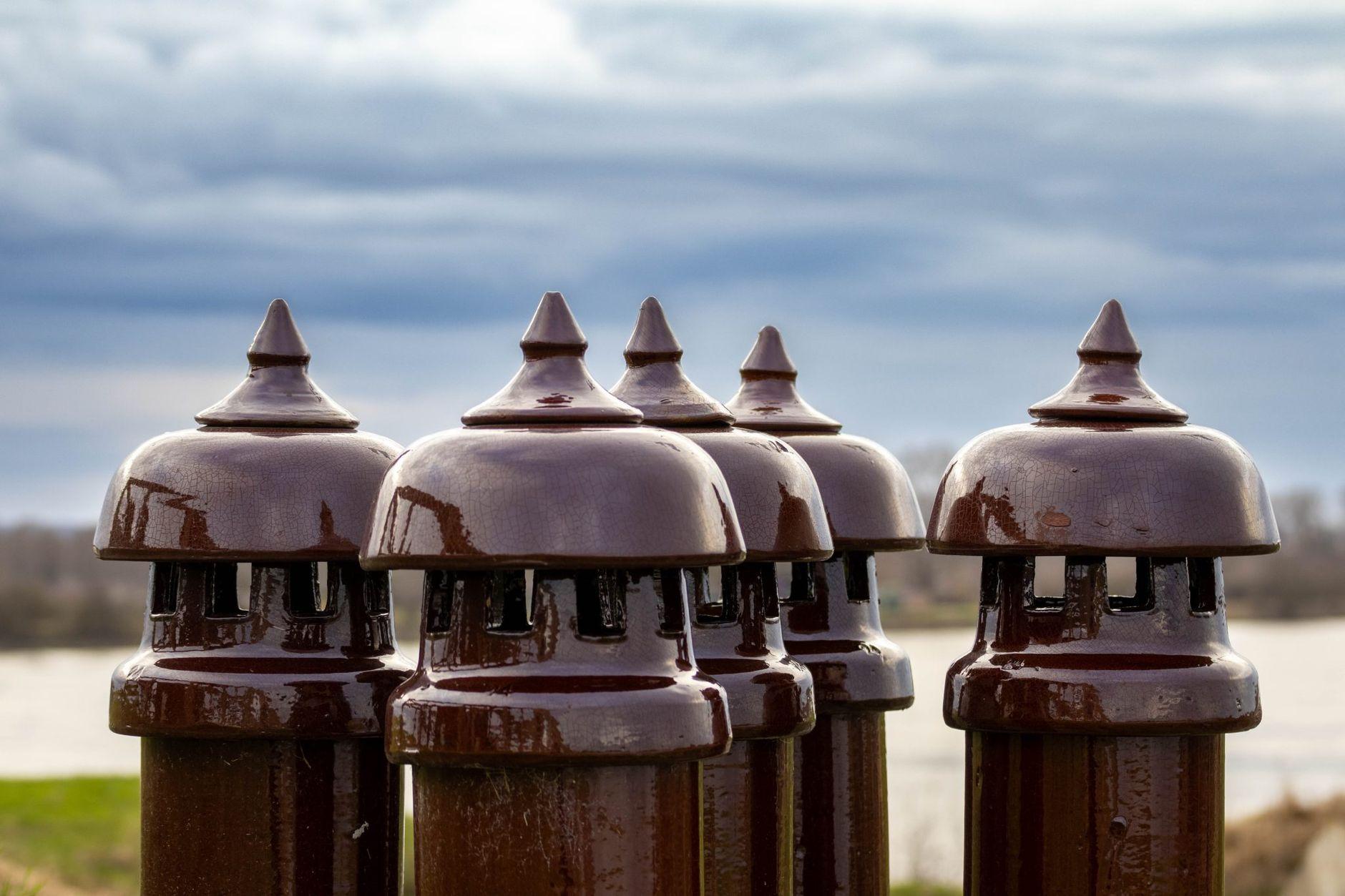
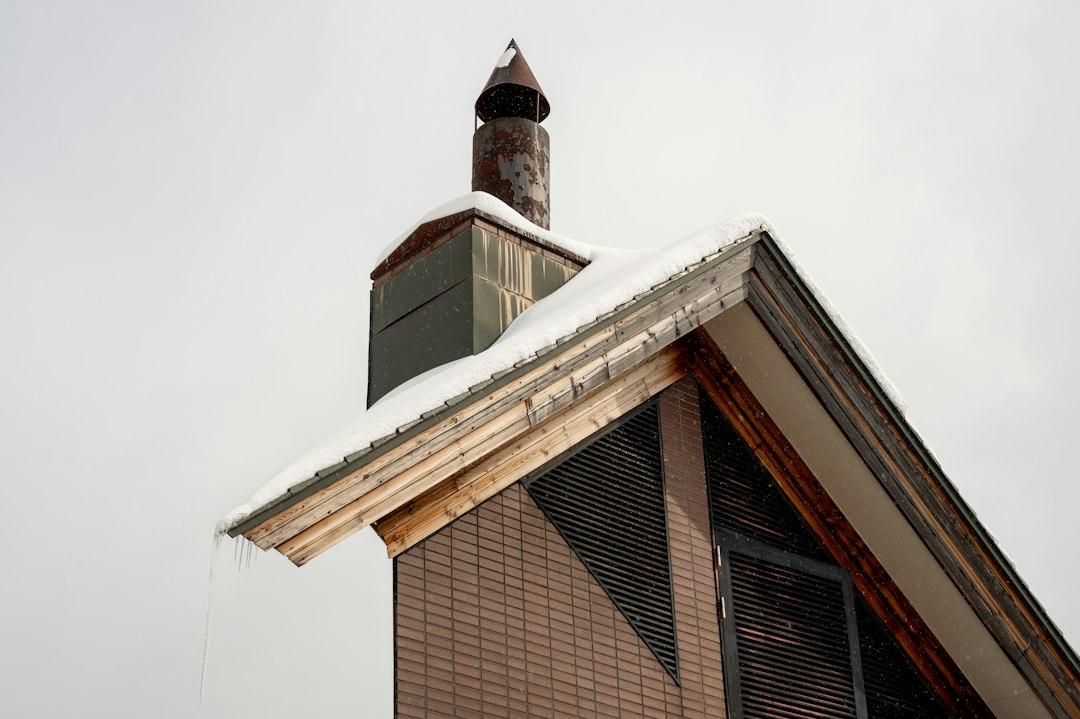
- The stack above the roof, the crown, the cap and the flashing: the association.
- Metal flues inside wood chases, common in later buildings: often treated as exterior, so the association.
Our report notes where each finding physically sits. It does not decide ownership; the association's documents do.
What a unit sale inspection covers
NFPA 211 lists a change of ownership among the reasons for its camera level, so a unit sale gets a Level 2. For a condo that means:
- The fireplace inside the unit: firebox, damper, hearth and the space to the mantel.
- A camera run through the flue serving that unit, from the firebox to the top.
- The cap, crown and roof around the stack, seen from the roof where the association allows it.
- Any attic or chase space the flue passes through that we can reach.
Where the flue serves a gas unit, the camera still runs. Gas exhaust carries moisture, and a vent pipe that has come apart behind a wall is exactly the kind of fault a buyer has no way to see.
The price is $405 per fireplace, the same as for a house. A townhouse with a fireplace downstairs and another in the main bedroom is two Level 2 inspections on one visit. More on the levels is on our Level 2 inspection page.
Access is the slow part
Getting onto a condo roof usually takes the association's permission and sometimes a key from the manager. Ask early. If roof access is refused, the report says so and covers what we could reach from inside; the record names what was not seen.
In a stacked building, the flue serving a ground-floor unit may pass behind the walls of the units above. The camera reads it from inside the flue, so we rarely need to enter the upper units. Townhouses with their own roof section are easier: the stack usually rises from that unit's roof, and the association only has to approve the ladder.
Who receives the file
The report belongs to the party that orders it, and that party picks the recipients. In a unit sale that is often the buyer, with copies to both agents. If a finding sits in common property, the buyer may want the association to see it; that copy goes out only when the client asks. Our page on chimney reports in a home sale lays out the usual pattern of who receives what.
What decides the next step
What happens after the inspection depends on where the finding sits:
1. Inside the unit, such as a cracked firebox panel, a stuck damper or a gas unit whose pilot keeps failing: buyer and seller negotiate it like any other repair. 2. In the shared flue or the stack: the association decides, and the buyer's agent will want to know whether the board already has it scheduled. 3. Nothing significant: the file goes into the disclosures and the deal moves on.
To start, give the unit address, the association name and both agents' details in the form above. We call back to settle roof access before we book.
Duplexes and small buildings
Owners selling a whole duplex or triplex in Bell Gardens, Downey or elsewhere around Los Angeles face the opposite situation: they own every flue, and the buyer will ask about all of them. Each fireplace gets its own numbered section in a single file. A buyer can see that unit A passed and unit B needs a cap, and the request for repairs names one unit rather than the building.
One fix that comes up often carries a published price with us. Tracing and stopping a leak runs $580 to $3,450. A chimney cap, custom or oversized ones included, is quoted on site, since flue size, the number of flues covered and the metal set its price. Everything else gets its own written estimate once we have seen it.
Questions from condo buyers and sellers
The association had the chimneys inspected two years ago. Is that enough? It says something about the stack. It rarely covers your unit's firebox or flue on camera, and it is not current.
Who pays for the inspection? Whoever orders it. Buyers usually do, alongside their other inspections; some sellers order one before listing so the disclosure package already holds it.
Can the seller fix a common-area problem? Usually not alone. The seller can ask the board to act, or offer the buyer a credit.
Does a gas fireplace in a condo need this? Yes. Gas units vent through the same kind of shared path, and a blocked or loose vent matters more when a neighbor lives on the other side of the wall.
What about a buyer who cannot be there? The buyer's agent arranges entry and the file goes to everyone named. Buyer's agents can read more on our page for agents.
When a condo or duplex sale includes a fireplace, write to us through the contact page with the association name and the agents involved, and we set up the visit from there.
Responsible for More Than One Fireplace?
Madden Chimney Experts quotes buildings unit by unit and writes up a page for every chimney, so owners, boards and managers in Los Angeles and nearby cities can see each home on its own.