
Count first, then price
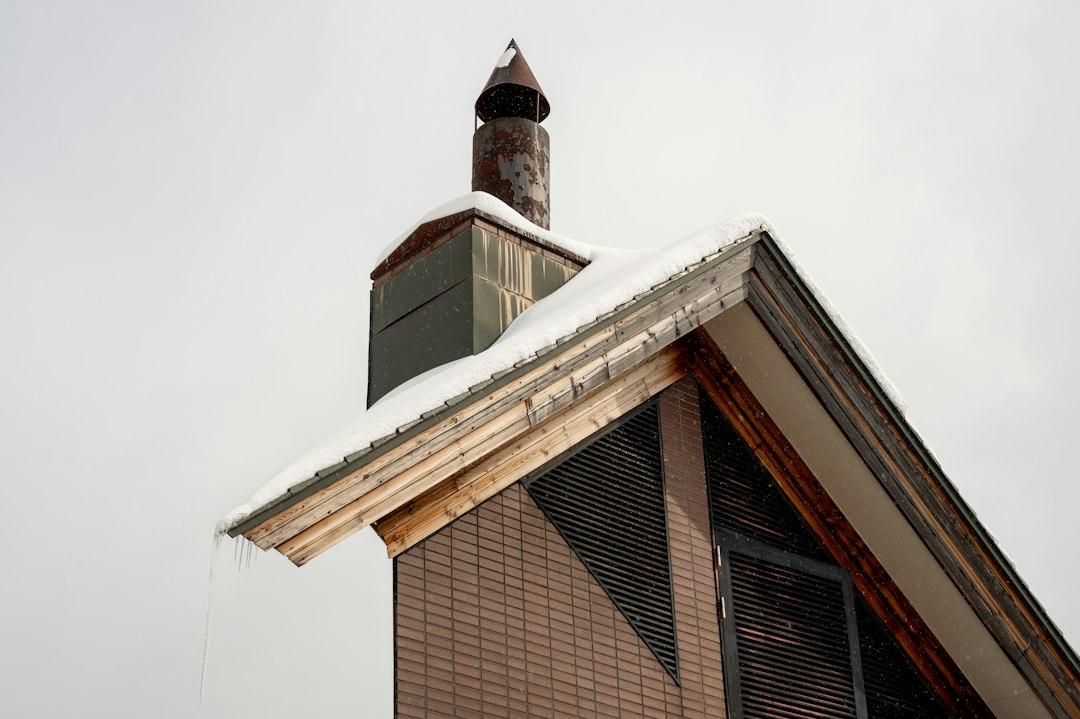
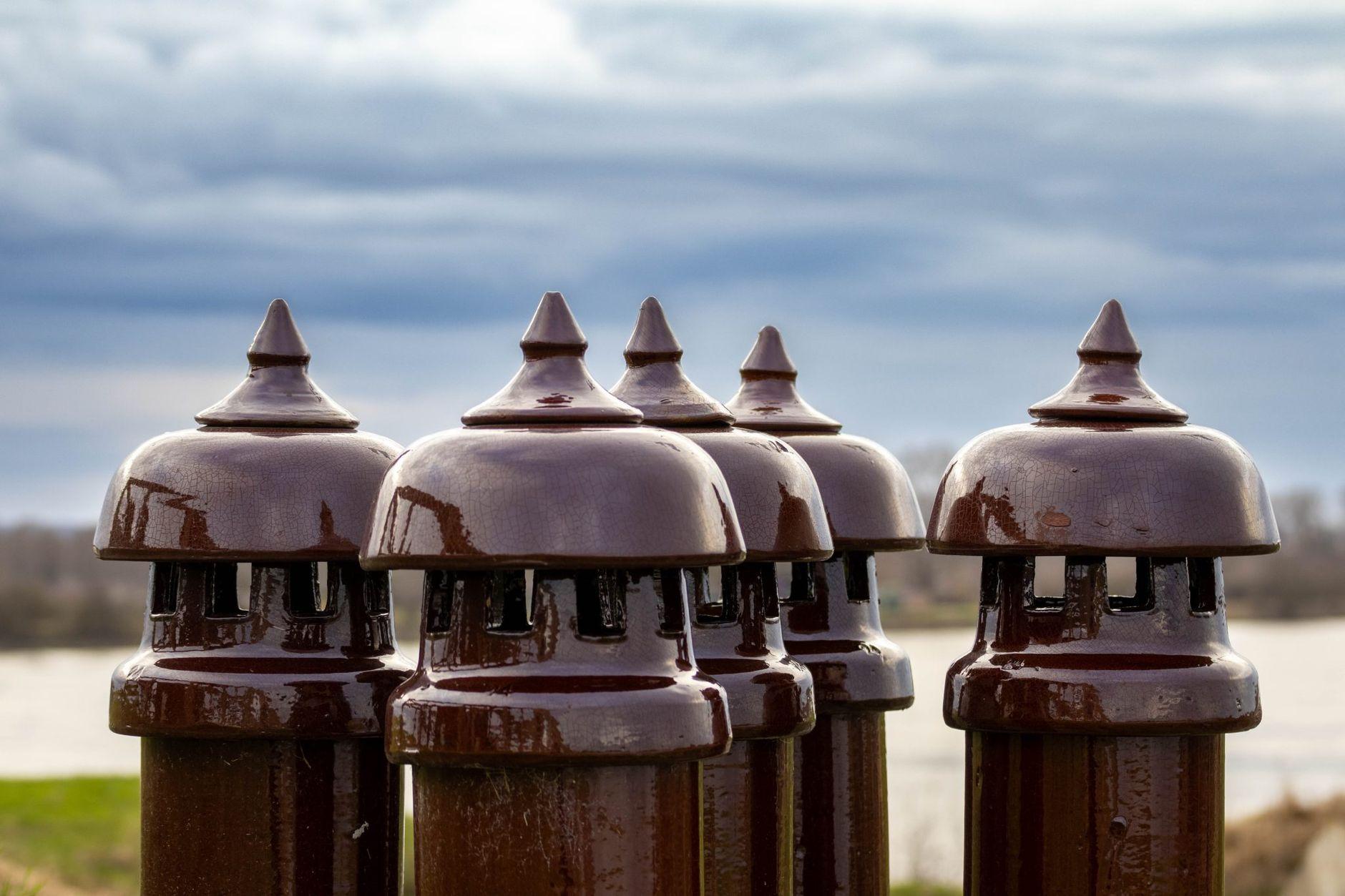
Ask a building owner how many chimneys they have and the answer is often wrong by one or two. A courtyard building in Los Angeles may show four chimney tops on the roof and still have six fireplaces under them, because older brick stacks often carry two flues side by side. A duplex may have a wood fireplace downstairs and a gas unit upstairs that vents through a metal pipe nobody thinks of as a chimney. Our pricing works per fireplace, so the count is the number that sets the bill.
Madden Chimney Experts inspects buildings with several fireplaces in one visit and writes one record per fireplace. This post sets out the two inspection prices we publish, how a visit adds up across units, and what moves the total.
Our two published figures
Two lines on our price list cover inspections, and both are charged per fireplace:
- $56 for a Level 1 inspection. We look at everything within reach with nothing taken apart: the firebox, the damper, the lower flue under a light, the hearth, and the top of the chimney from the roof.
- $405 for a Level 2 inspection. A recording camera rides up the inside of the flue from the damper to the top, and we add the attic and any crawl space the chimney passes through.
A fireplace that burns gas counts as one fireplace, the same as a wood one. A gas log set or a sealed gas unit still sends hot exhaust out of the building, and that vent still has to be sound.
Adding up three kinds of property
Here is how the arithmetic runs on property types we see all over Los Angeles:
- A duplex with one fireplace per side. Two fireplaces, so two Level 1 inspections at $56 each. If one side is being sold, that fireplace moves up to a Level 2, and the visit becomes $405 plus $56.
- An eight-unit building where four units have fireplaces. Four Level 1 inspections, one per fireplace. Units with no fireplace cost nothing, and we do not need to enter them.
- A large house with fireplaces in the living room, the den and a bedroom. Three fireplaces under one roof, often sharing one or two stacks. That is three Level 1 inspections, priced exactly as three separate fireplaces would be.
Sweeping is its own line. A flue that needs it can be swept on the same trip, from $435 per fireplace, and the record notes that it was done. Details are on our chimney sweep page.
When one unit moves up to Level 2
NFPA 211, the fire code document most American chimney work follows, ties the deeper inspection to events rather than to the calendar. In a building those events land one unit at a time, so the choice is made unit by unit as well:
- The unit is being sold or refinanced.
- The fireplace is changing, for example from wood to gas, or an insert is going in.
- There was a chimney fire, or smoke and soot came back into the room.
- A strong quake shook the area. Brick stacks across the region cracked in 1987, 1991 and 1994, and damage inside a flue rarely shows from the roof.
- The Level 1 turned up something that needs a closer look.
A building where none of that applies can stay at Level 1 for every fireplace. The record states which level each fireplace received and why, so next year's reader is not left guessing.
What else changes the building total
Beyond the count and the level, three things move what a building visit costs:
1. Access. If a fireplace sits in an occupied unit, someone has to open the door. A unit we could not reach means a second trip, billed only for the fireplaces seen on that trip. 2. Sweeping. A flue too sooty to see into has to be swept before the camera can show anything. That adds the sweep price for that fireplace alone. 3. Repairs. Inspection prices never include repairs. Anything we find is written up against the unit number, and repair prices arrive on a separate sheet.
To get a figure for your building, list the units in the form above: the address, which units have fireplaces, wood or gas in each, and any unit that is being sold or turned over. We call back with the total before anything is booked.
What each record holds
Every fireplace gets its own pages. They open with a header: building address, unit number, room, fuel and date. Then come the photos, the findings in plain sentences, and a verdict on use. A manager filing with an insurer can pull out unit 6 without sending the whole building. An owner with a buyer for one unit can hand over that unit's pages and nothing else.
Associations and managers will find more on how these files are used at renewal time on our page about fireplace records for managers and HOAs. Owners weighing which level each unit needs can read Level 1 vs Level 2, unit by unit.
Where these prices apply
We work across the city and in neighboring cities such as Downey, Bell Gardens and San Gabriel, where older two-flue stacks and fourplexes are common. The per-fireplace figures are the same in each of them.
Pricing questions owners raise
Is there a minimum? No. A single fireplace is $56 at Level 1.
Do you charge for units without fireplaces? No. We only enter units with a fireplace or a stove.
Can one visit mix levels? Yes, and most buildings do: Level 1 for most units, Level 2 for the one in escrow or the one with a complaint.
Does a big building get a lower rate per fireplace? The rate is the published figure. What a large building saves is trips, since one visit covers every unit we can get into.
Tally up your fireplaces and bring the count to our contact page; we answer with a building total and a date that suits your tenants.
Responsible for More Than One Fireplace?
Madden Chimney Experts quotes buildings unit by unit and writes up a page for every chimney, so owners, boards and managers in Los Angeles and nearby cities can see each home on its own.